


Townhouse or detached house: which to choose
A townhouse promises your own entrance and yard for less money; a detached house gives you complete freedom. We compare them on cost, everyday life and paperwork.
Contents
What is the difference
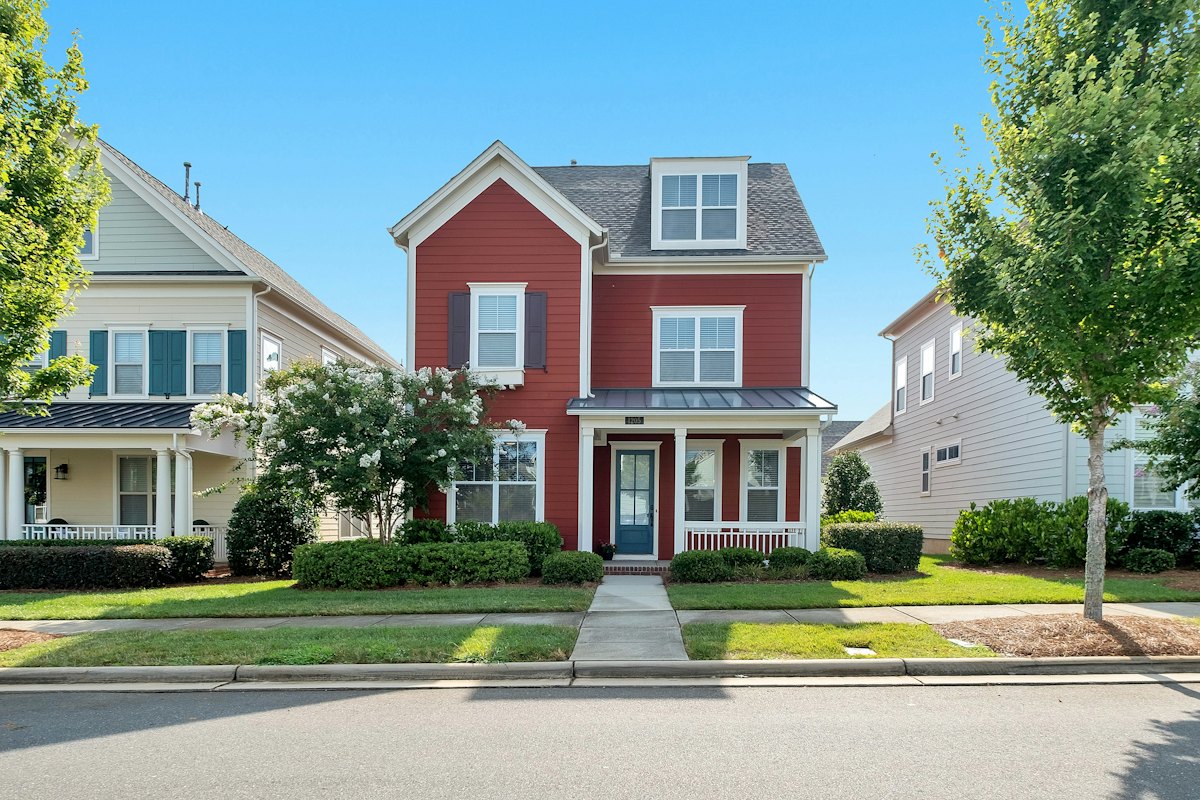
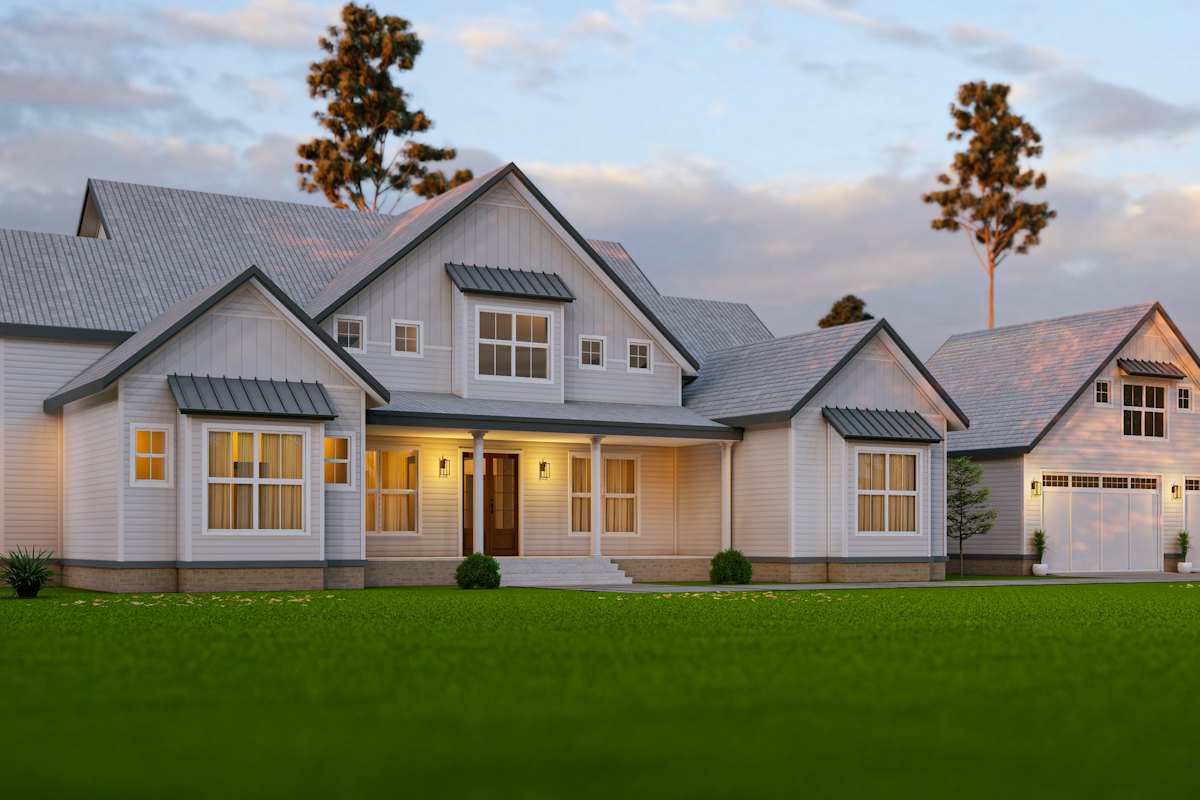
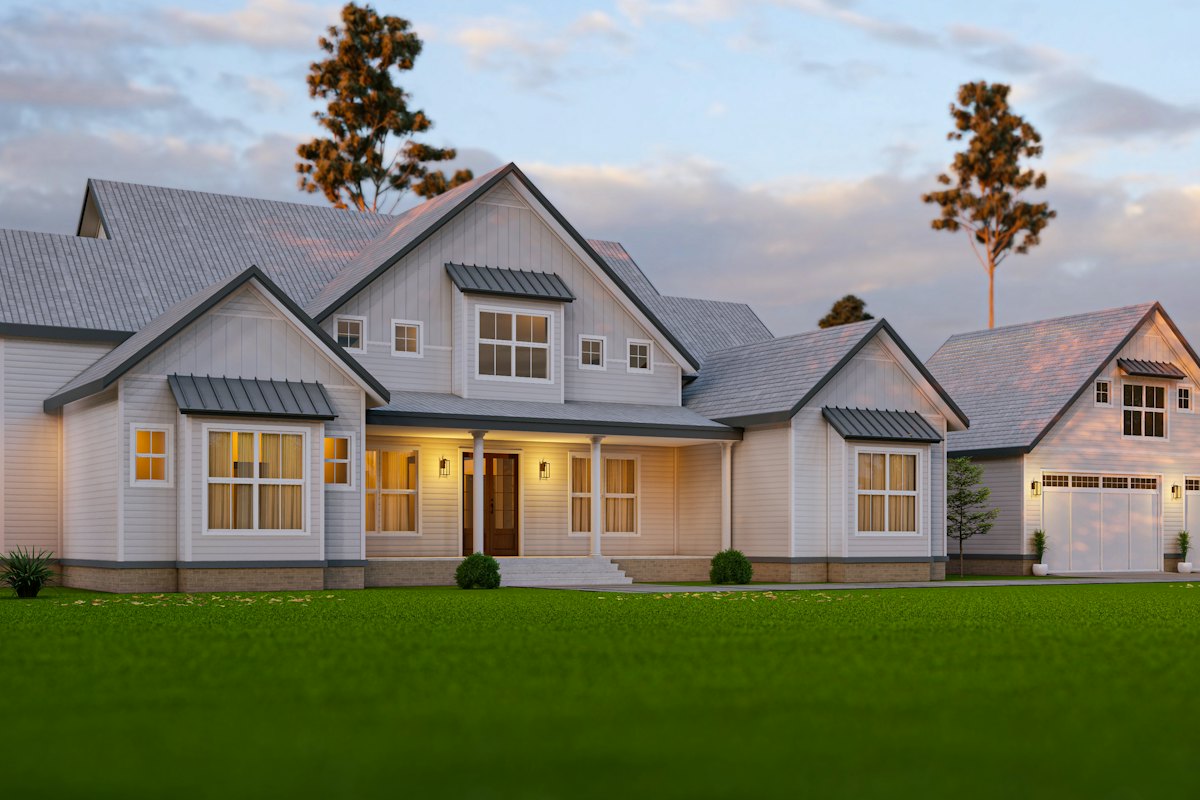
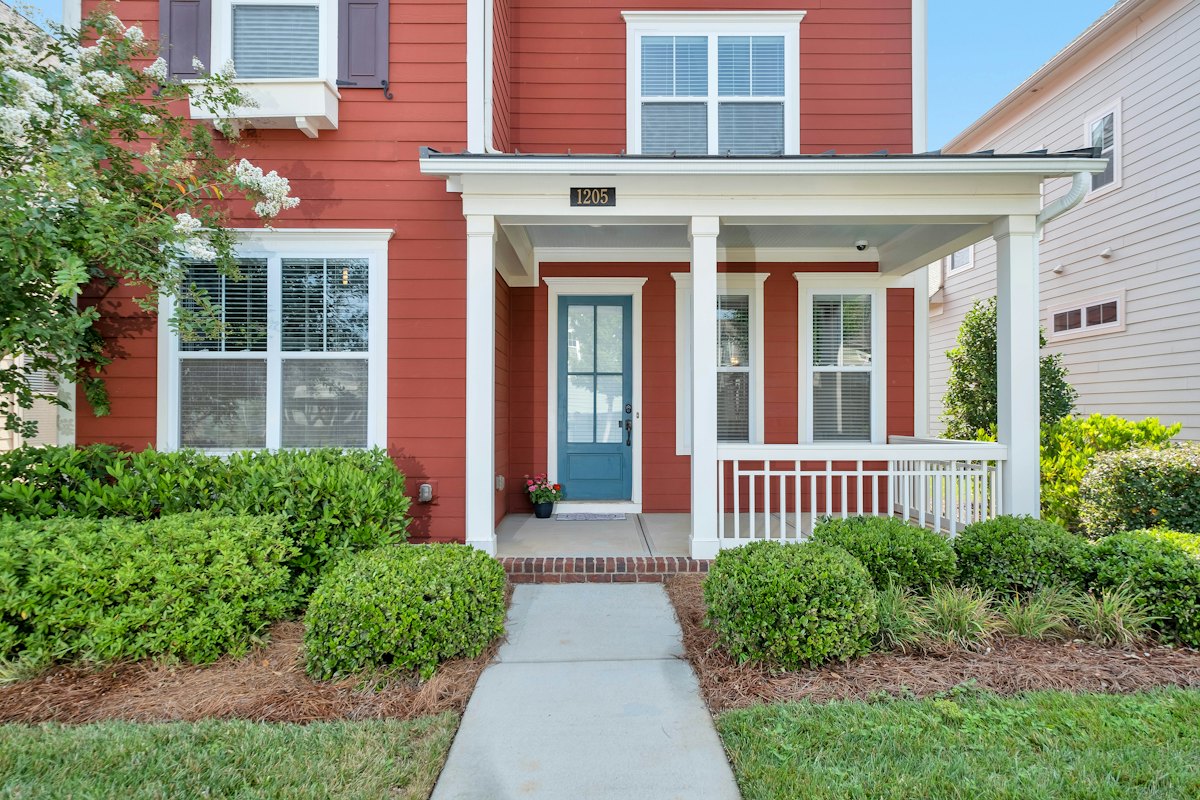
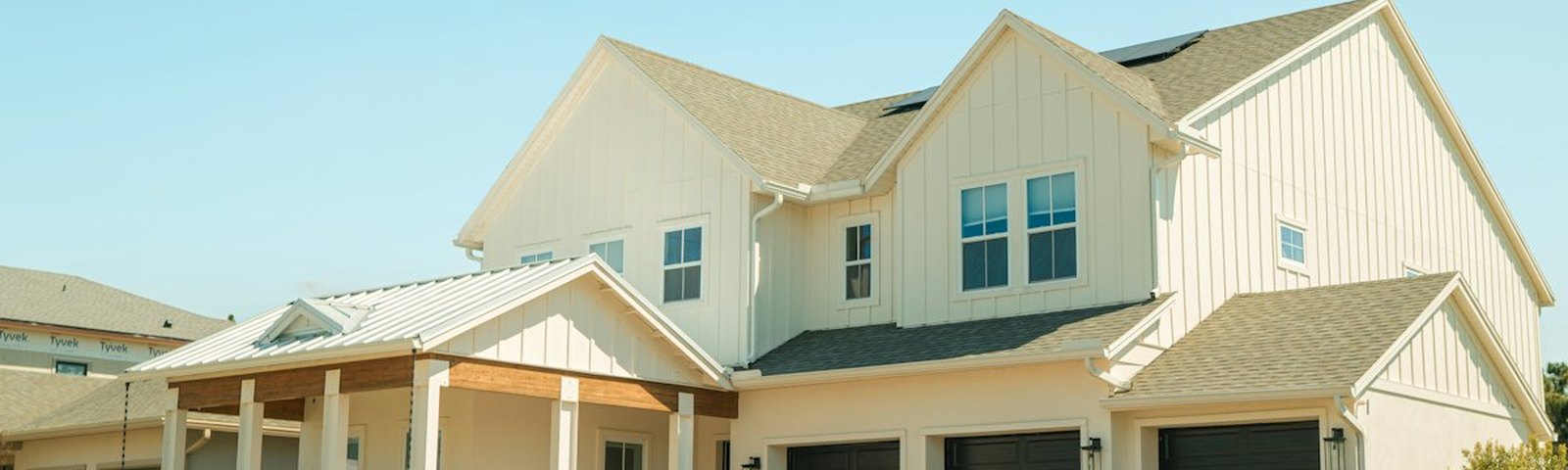
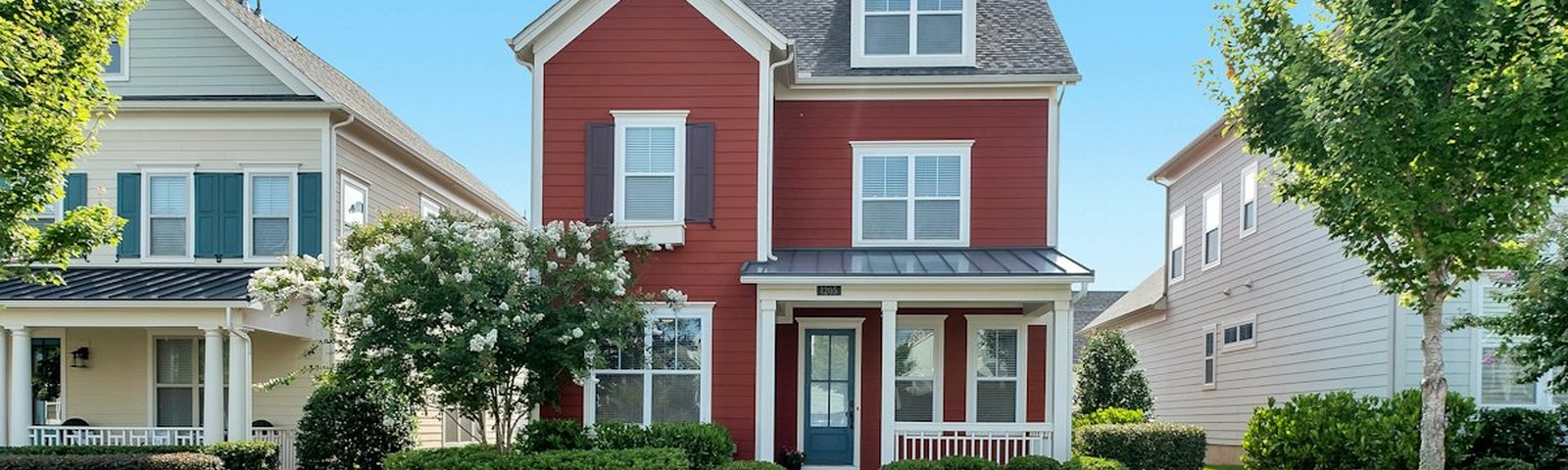
A townhouse is a row of homes for several families sharing side walls. Each unit has its own entrance, usually two or three floors and a small yard. A detached house stands on its own plot and shares no walls with anyone.
Around Yerevan, townhouses are mostly sold in new settlements built by a single developer. Before buying, find out how many units are already sold and whether people actually live there: an empty settlement in winter is a security issue and a reason to look more closely at the developer. Detached houses are everywhere, from new cottages to old village houses in need of renovation.
Point-by-point comparison
| Criterion | Townhouse | Detached house |
|---|---|---|
| Entry price | Usually lower than a nearby house of the same size | Higher: you pay for the whole plot |
| Land | Small, often just a yard | Your own plot, room to extend |
| Neighbours | Behind the wall, shared fence or paths | At a distance |
| Heating | Fewer outside walls, less heat loss | More outside walls, but full freedom in choosing a system |
| Rules | Sometimes shared rules on facade, roof and grounds | You decide, within the law and permits |
| Resale | Buyers are similar to apartment buyers | A narrower pool of buyers, selling may take longer |
What matters most: what the documents say
With a townhouse, the question “what exactly am I buying?” is especially important. The Cadastre extract may show a separate house with its own plot, part of a house, a share in joint ownership of the house and land, or even a unit in an apartment building. That determines whether you need your neighbours' consent to alter the building, how costs are shared and whether you can sell without them.
If the land or the house is held in shared ownership, under Article 195 of the Civil Code the other co-owners have a right of first refusal to buy a share being sold, at the same price and on the same terms. The seller must notify them in writing, and for real estate they have one month to decide. This matters both when you buy and when you sell later.
- What is registered: a house, part of a house or a share, and of what area.
- Does the unit have its own plot with boundaries, or is the land shared, and what is it designated for?
- How the shared walls, roof and utilities work: does each unit have its own meters or are they shared?
- Who maintains the settlement's road, lighting and security, and who pays.
- Has the building been commissioned and registered with the Cadastre? This matters especially for new builds.
Costs after you buy
In a townhouse some costs may be shared: repairs to a roof covering several units, the fence, the road, lighting, security. Agree with your neighbours in advance how you will split them, ideally in writing. In a detached house every cost is yours, but so is every decision.
In both cases property tax is based on the cadastral value, so when comparing options, look not only at the purchase price but at what the house will cost to keep each year.
Who each option suits
- A townhouse suits a family that wants a yard and its own entrance but is not ready for a big plot and upkeep.
- A townhouse suits people who travel often: the house is never isolated and neighbours are close by.
- A detached house suits those who want a garden, a workshop or a sauna and plan to extend.
- A detached house suits those who value quiet and do not want to negotiate over the facade and fence.
Key takeaways
- A townhouse is usually cheaper and easier to maintain; a detached house gives you freedom and land.
- Check in the Cadastre extract exactly what you are buying: a house, part of a house or a share.
- In shared ownership, co-owners have a right of first refusal on a share being sold.
- Agree shared costs and settlement rules with your neighbours in advance.