






Checking a plot and its land designation: what to look at before buying
A plot can be beautiful, flat and cheap and still be one where you cannot build a house. Here is how to tell what kind of land you are looking at, both from the documents and on site.

Contents
Two key characteristics of land
Under Armenia's Land Code, every plot has a designated purpose (a land category) and a functional designation within that category. Together they decide what you may do on the plot: the law requires land to be used according to its designated and functional purpose.
The Code sets out nine land categories:
- agricultural land;
- settlement land;
- land for industry, subsoil use and other production;
- land for energy, transport, communications and utility infrastructure;
- land of specially protected areas;
- special-purpose land;
- forest land;
- water land;
- reserve land.
Which plot suits a house
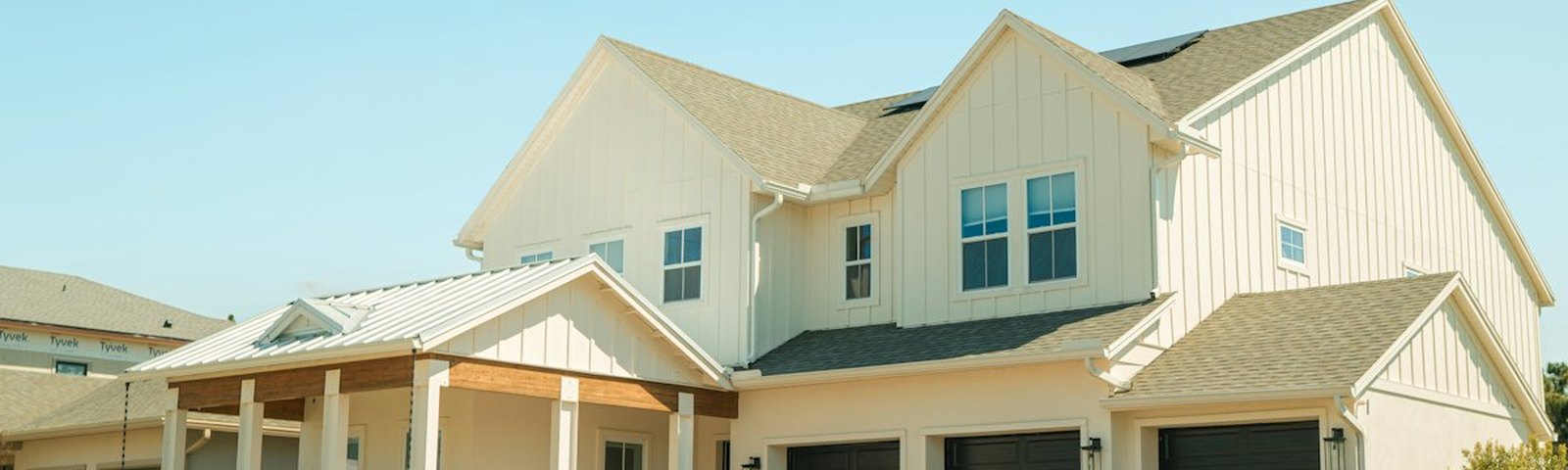
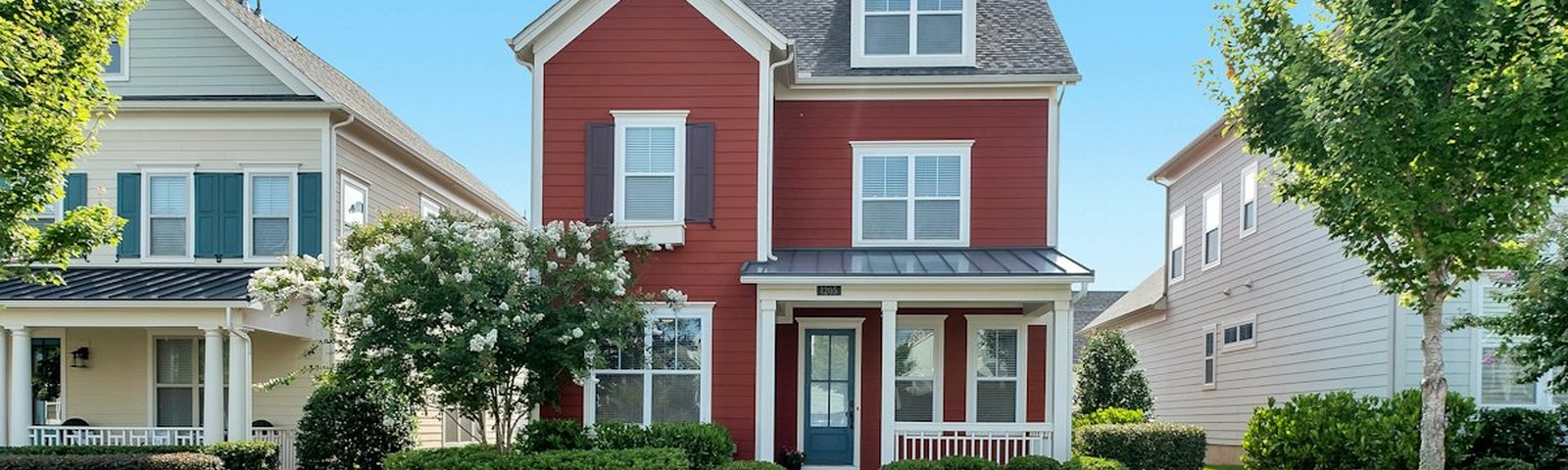
For a private house you first of all need settlement land with the functional designation “residential development”. Within settlements the Code also distinguishes public and mixed development, common-use land and other land, and you will not be able to build a home on those.
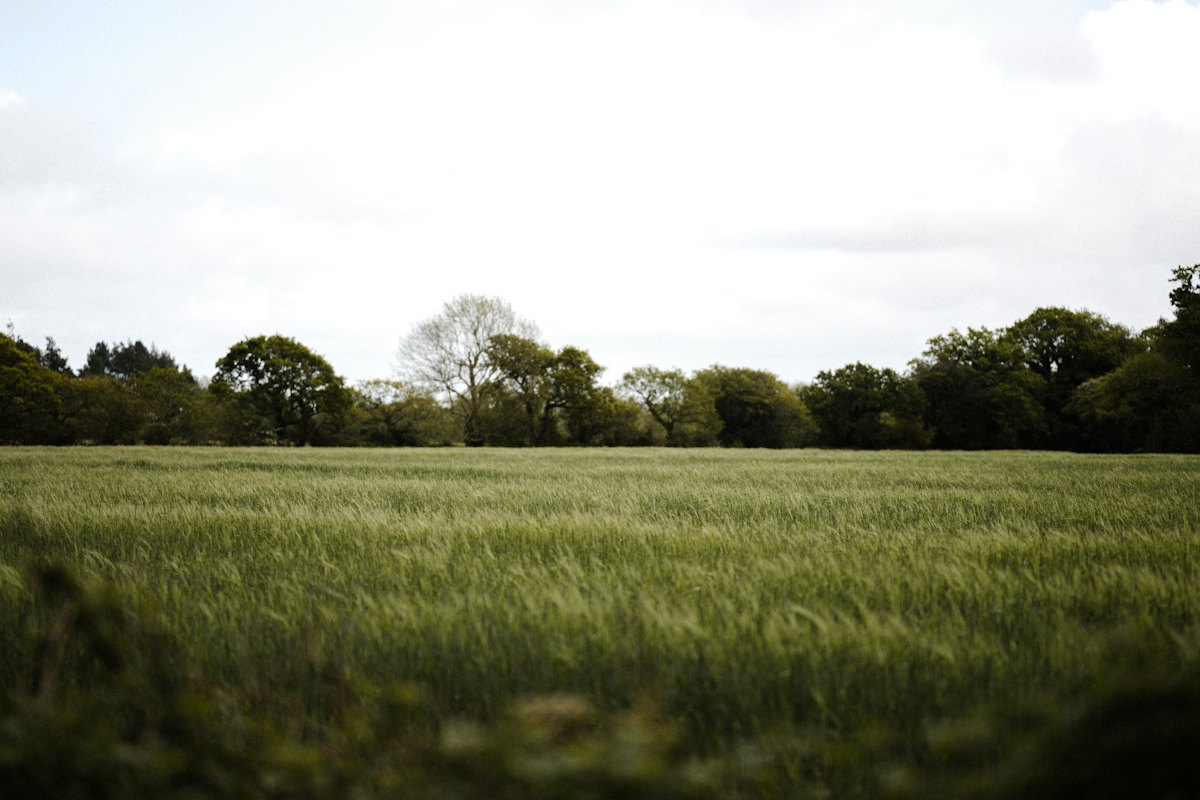
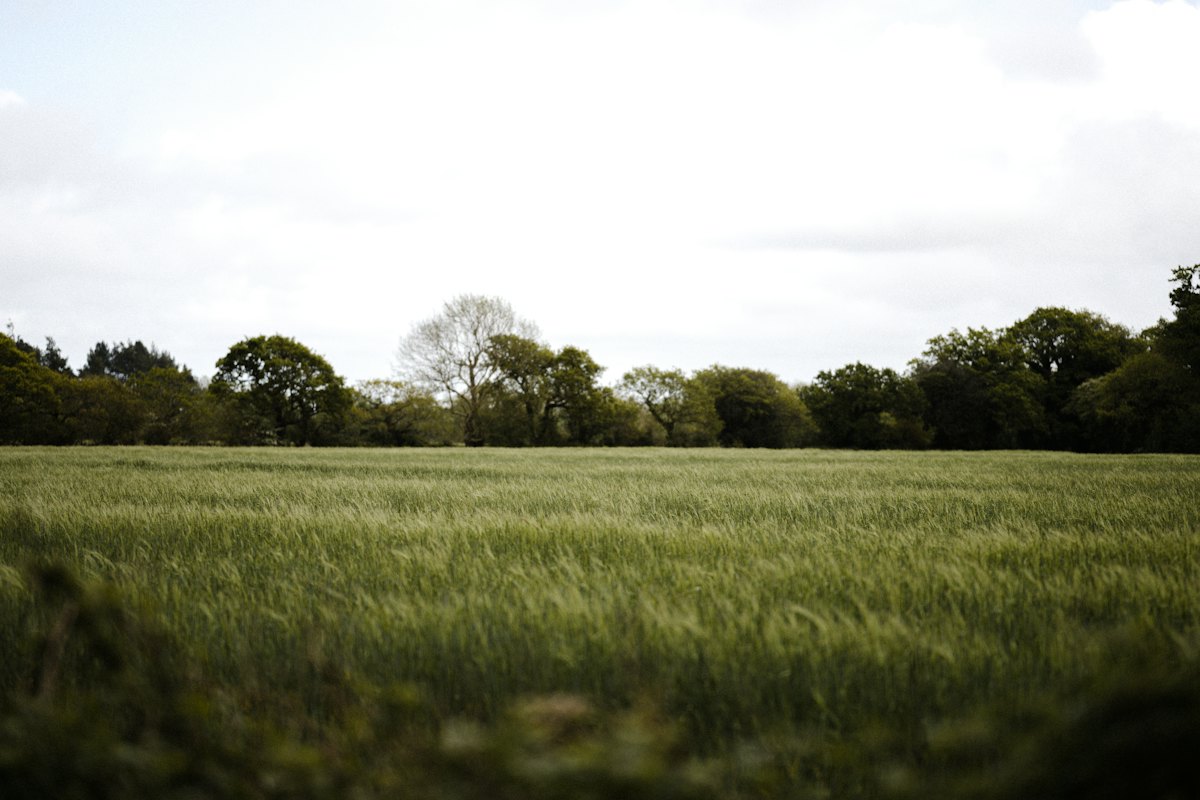
Agricultural land is divided into types: arable land, perennial plantations, hayfields, pastures and others. You can buy such a plot, but as a rule you cannot build a house on it without changing its designation. A change of designation is a separate procedure and it does not always succeed.
Even the simplified procedure for a house building permit, in force since 1 June 2026, applies only to plots owned by a citizen and designated for residential development, according to the Urban Development Committee.
What to check in the documents
- The owner of the plot and the basis of their title: is this the person selling?
- Area and boundaries: do they match what you see on site and on the cadastral map?
- The land category and functional designation.
- Encumbrances: mortgage, seizure, lease, easement (a right to cross the plot or run utilities through it).
- Whether there are unregistered buildings on the plot.
- Whether the address and cadastral number match in every document.
What to check on site
Documents are half the job. The other half is a careful look at the plot and its surroundings. It helps to bring someone who knows construction: they will quickly assess the slope, the soil and the distance to utilities, and tell you what preparing the plot might cost.
- Access: does a public road lead to the plot, or can you only get there across a neighbour's land?
- Utilities: where are the nearest gas, water main and power line, and who owns the pipes and poles?
- Terrain and soil: a steep slope, a gully, or a nearby river or cliff make construction more expensive.
- Neighbours: power lines, gas pipelines, highways, farms, quarries. Some of these have protection zones where building is not allowed.
- The community master plan: ask the community head what is planned for the plot and the land around it.
If the designation does not fit
If the plot is agricultural and you want a house, there are three options: walk away; buy after asking the community head whether a change of designation is possible, and accept the risk; or agree that the seller changes the designation before the sale. The third option is the safest, because you pay for a plot that already fits your purpose.
Mind the money too: if the cadastral value of the plot rises after the change, the owner pays the difference in cadastral values into the community budget within three months (Land Code, Article 7). The detailed procedure is set out in Government Decision No. 1920-N of 29 December 2011.
Key takeaways
- Look not only at the price and the view but at the land category and functional designation.
- A house needs land designated for residential development; as a rule you cannot build on agricultural land without changing its designation.
- Check the owner, boundaries and encumbrances in the Cadastre extract.
- On site, check access, utilities and protection zones; at the community office, check the master plan.
- A change of designation means extra risk, time and cost, so factor them in before paying a deposit.