





Rezoning land for construction: when is it possible?
Agricultural plots are often cheaper, and it is tempting to buy one and “rezone it later”. Here is how changing a plot's designation works and why it should never be treated as a formality.

Contents
What changes
Every plot has a designated purpose (a land category) and a functional designation. Rezoning for construction means changing these, for example from agricultural land to settlement land for residential development. Until the designation is changed, you generally cannot build a house on agricultural land: the Land Code requires land to be used as designated, and an unauthorised change of designation is grounds for a court to invalidate the decisions and transactions related to the plot.
The designation also decides whether you can get a building permit. For example, the simplified procedure for private houses in force since 1 June 2026 applies only to plots designated for residential development. So before buying a plot, decide what you want to build on it and check whether its designation allows that today, not someday.
The key condition: the community master plan
The community's spatial planning documents, above all the master plan, play the decisive role. The procedure for changing a designation is set out in Government Decision No. 1920-N of 29 December 2011.
- The owner submits an application in the prescribed form to the community head, stating the plot's current designation and the one it should be changed to.
- If the master plan or another planning document already provides for the required designation, the community head decides on the change within three working days.
- If the master plan provides for a different designation, the matter goes through the marzpetaran (regional administration) to the authorised state body; in effect, this means amending the master plan.
- After the decision, check that the new designation appears in a fresh Cadastre extract.
Amending the master plan for a single plot requires a full package: the owner's application, an excerpt from the cadastral map or an orthophoto showing the surroundings, confirmation that utility connections are possible, the community head's justification and photographs. This route takes much longer than the first and guarantees nothing. In practice such cases can drag on for years, and all that time the plot stays agricultural and your money stays frozen.
What it costs
If the plot's cadastral value rises after the change, the owner pays the difference between the cadastral values at the time of the change into the community budget within three months (Land Code, Article 7). Near a city, where building land costs much more than farmland, the sum can be substantial, so ask the community or the Cadastre to estimate it in advance.
The Code also protects valuable farmland: converting higher-value agricultural land to a lower-value type requires the community head's permission. On top of that, budget for preparing documents, surveying and future utility connections. Add these costs up and compare the total with the price of a ready building plot nearby; the difference is often smaller than it seemed.
When the chances are better or worse
| Situation | Outlook |
|---|---|
| The master plan already provides for residential development on the plot | Good: the community head decides quickly |
| The plot is on the edge of a village with houses, a road and utilities nearby | Possible, but the master plan may need amending |
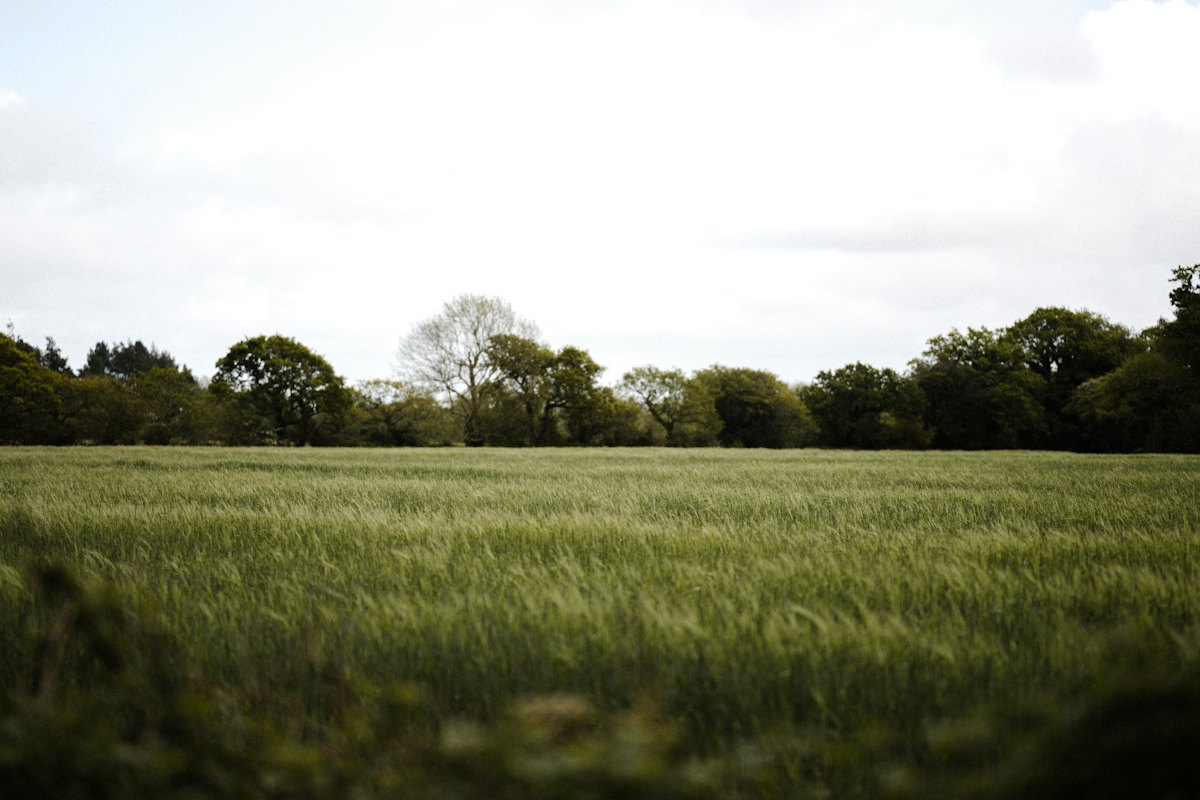
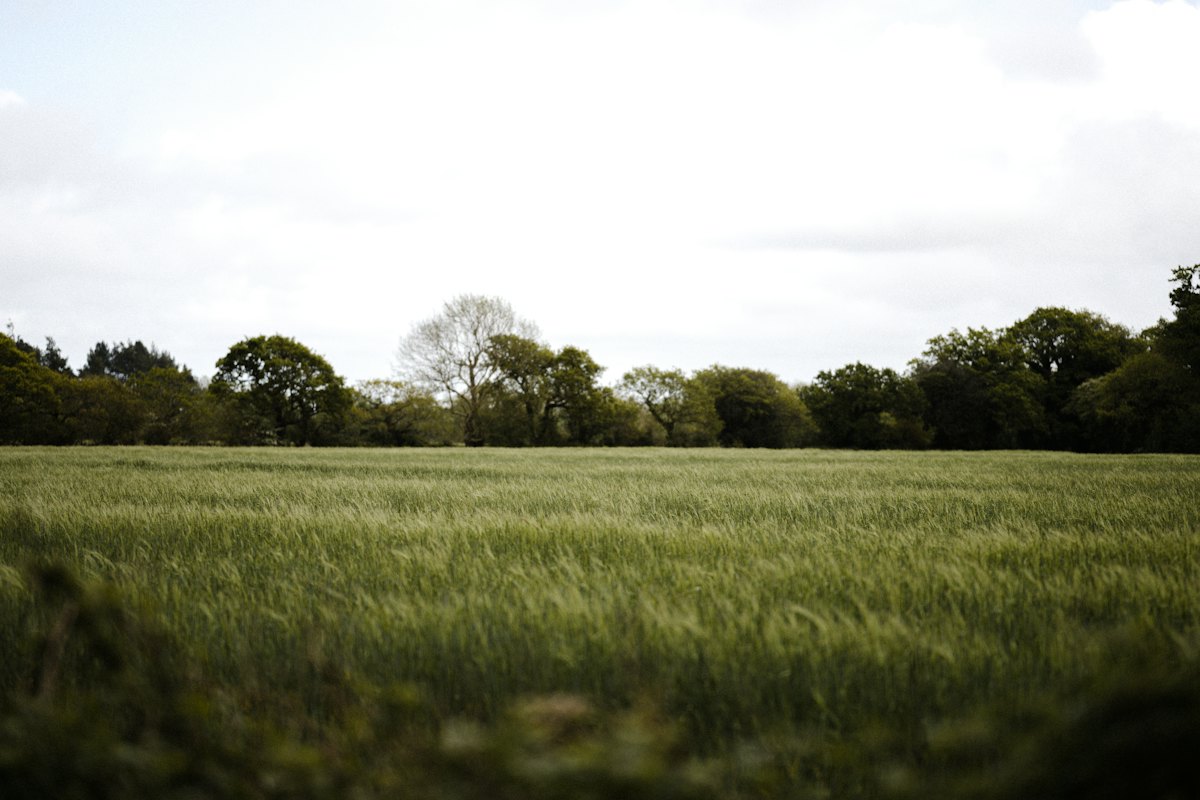
| The plot is in the middle of fields with no road or utilities | Poor: development is hard to justify |
| Specially protected, forest or water land | As a rule, not suitable for a private house |
Key takeaways
- You can build a house only on land with a suitable designation; an unauthorised change can get transactions invalidated in court.
- The master plan decides everything: if it already has the required designation, the community head decides within three working days.
- If the master plan says otherwise, the route runs through the marzpetaran and a state body, which is slow and uncertain.
- If the cadastral value rises, the owner pays the difference into the community budget within three months.
- It is better to buy a plot whose designation has already been changed.